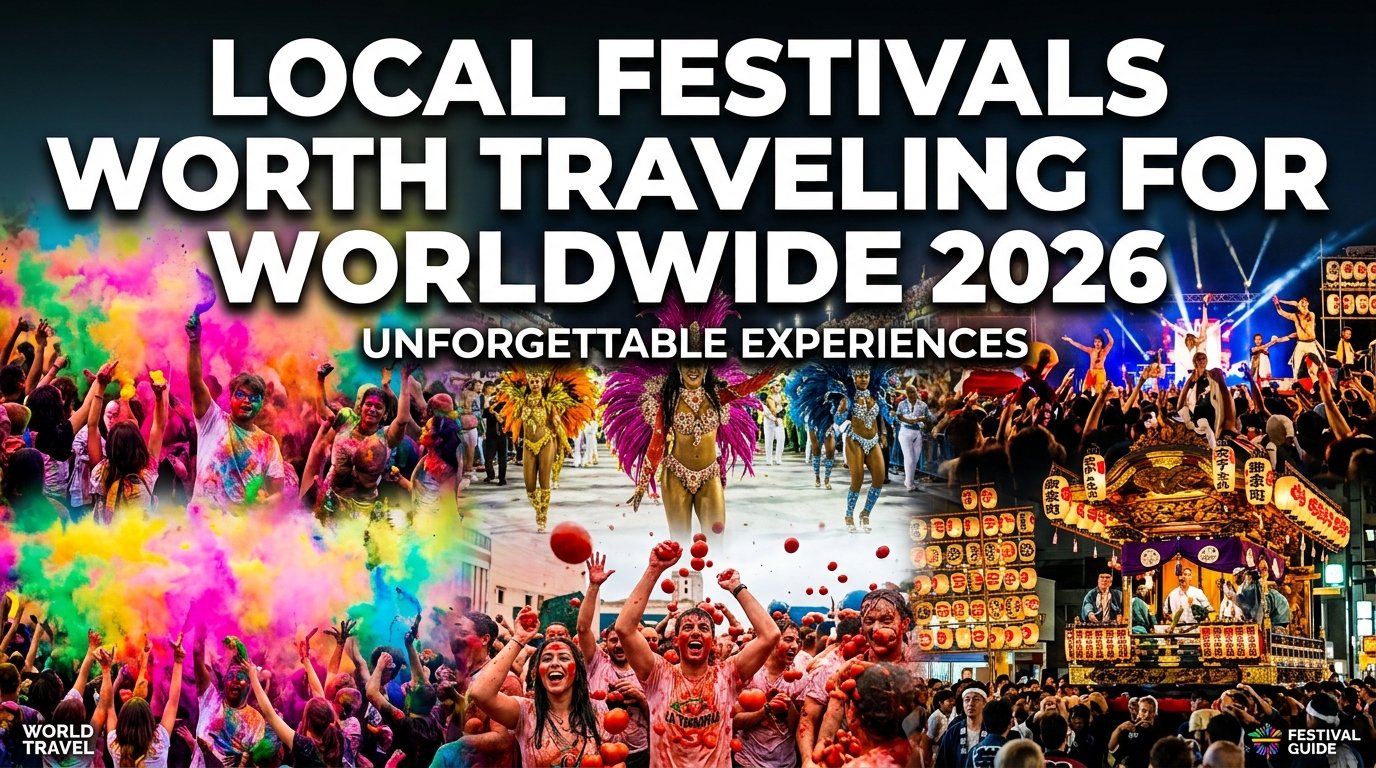
Local Festivals Worth Traveling For Worldwide
Some of my best travel memories didn’t happen at famous landmarks or luxury resorts. They happened in crowded streets, surrounded by strangers throwing colored powder, dancing to drums, or sharing food I couldn’t even name yet. Local festivals worth traveling for worldwide have a way of cracking you wide open, making you feel like you belong somewhere you’ve never been. That electricity, that raw human joy, is something no museum or guided tour can replicate. Trust me, I’ve tried both.
1. Holi, India
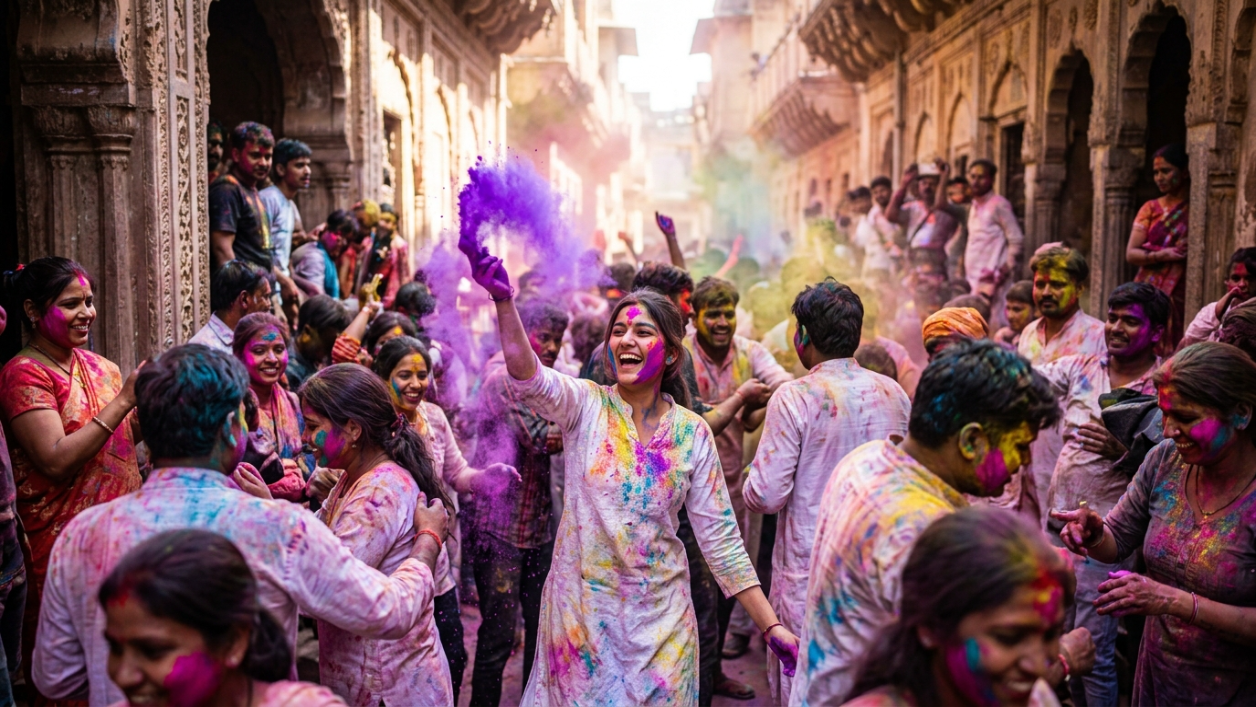
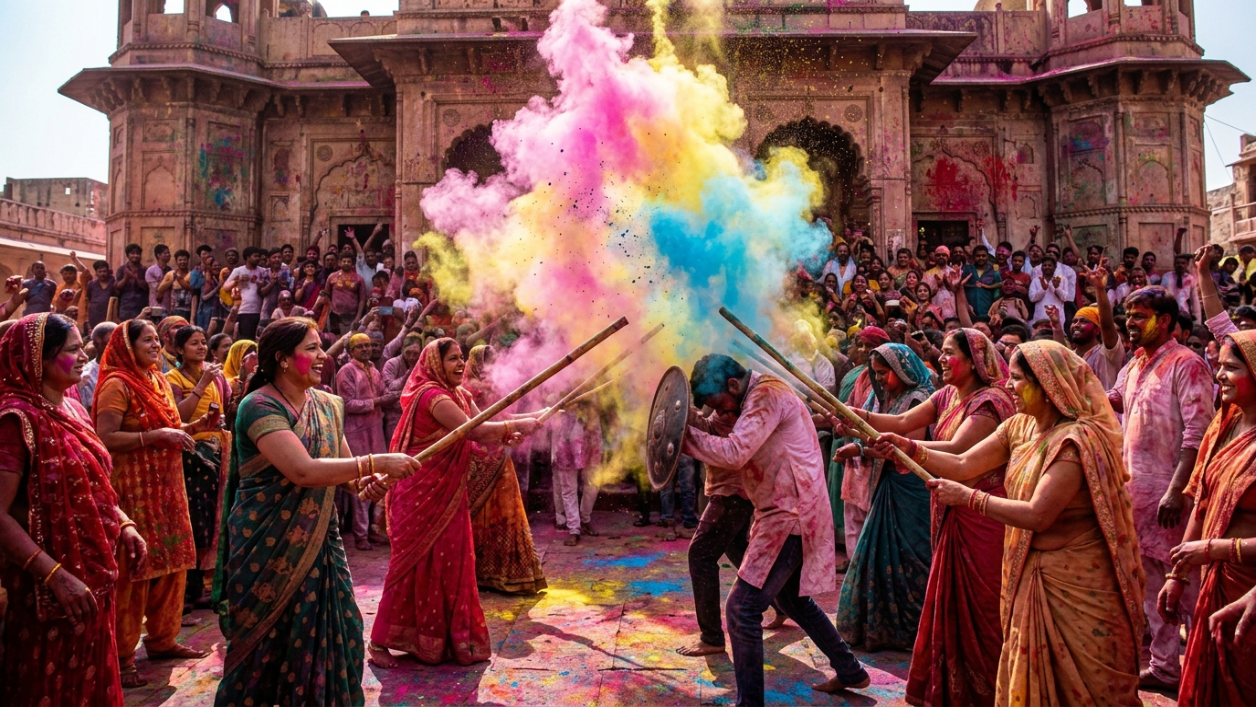
Nothing prepares you for the sheer chaos of Holi. Strangers drench you in every color imaginable, and within minutes, you forget you ever cared about keeping your white shirt clean.
The festival marks the arrival of spring and the victory of good over evil, but honestly, the philosophy takes a backseat once someone nails you with a water balloon full of pink dye. Mathura and Vrindavan host the most traditional celebrations, but cities like Jaipur and Delhi throw massive street parties too. Go in March and bring clothes you’re ready to throw away.
2. La Tomatina, Buñol, Spain
Imagine 20,000 people pelting each other with overripe tomatoes for one hour straight. That’s La Tomatina, held the last Wednesday of August in a tiny town near Valencia.
I went expecting a silly food fight. What I got was a weirdly bonding, hilarious, completely absurd experience that left me covered head to toe in tomato pulp. The town hoses everything down afterward, and the streets are spotless by evening. Tickets sell out fast through the official site, so book months in advance. Wear goggles. Seriously.
3. Dia de los Muertos, Oaxaca, Mexico
Dia de los Muertos isn’t spooky. It’s one of the most beautiful, tender celebrations of life and death you’ll ever witness. Oaxaca does it best, with elaborate altars, marigold-covered streets, and candlelit cemetery gatherings on November 1st and 2nd.
Families sit beside graves sharing food, music, and stories with their departed loved ones. The face painting and parades get all the Instagram attention, but the quiet cemetery moments are what hit the hardest. Local markets sell pan de muerto (bread of the dead) that’s slightly sweet and absolutely addictive.
Also Read: Vegetarian Travel Destinations and Restaurants I Love 2026
4. Carnival, Rio de Janeiro, Brazil
Rio’s Carnival is the festival against which all other festivals are measured. The samba schools spend the entire year preparing elaborate floats and costumes for the Sambadrome parade, and the energy is beyond anything I can describe with words.
Street parties called “blocos” pop up across the city, each with its own vibe and music. Some are massive with 100,000+ people, others feel like neighborhood block parties. It happens in February or March, depending on when Lent falls. Buy Sambadrome tickets through LIESA’s official site to avoid scams.
5. Songkran, Chiang Mai, Thailand
Thailand’s New Year celebration in April turns the entire country into a massive water fight, and Chiang Mai goes the hardest. For three days, everyone, locals, monks, tourists, kids with Super Soakers, joins the battle.
The water symbolizes washing away the old year’s bad luck, but practically speaking, it means you will not stay dry for more than 30 seconds outdoors. The moat area around Chiang Mai’s old city becomes ground zero. Waterproof phone cases are essential, not optional. I learned that the expensive way.
6. Up Helly Aa, Lerwick, Shetland Islands, Scotland
Every last Tuesday of January, the people of Lerwick dress as Vikings and march through the streets carrying flaming torches before setting a full-sized replica longship on fire. It’s as dramatic as it sounds.
Up Helly Aa celebrates Shetland’s Norse heritage, and the whole community participates. After the burning, the parties move indoors to halls across town where dancing, drinking, and performances last until dawn. Getting a hall ticket requires knowing a local, but watching the torch procession is free and absolutely unforgettable.
7. Lantern Festival, Pingxi, Taiwan
Releasing a sky lantern into the night alongside thousands of others might be one of the most peaceful things I’ve ever done. Pingxi’s Lantern Festival happens around mid-February during the Lunar New Year period, and the sight of thousands of glowing lanterns floating upward is genuinely surreal.
You write wishes on your lantern before releasing it, which gives the whole experience a personal, almost meditative quality. The town is a short train ride from Taipei, making logistics simple. Go early to grab a good viewing spot near the main release area.
8. Oktoberfest, Munich, Germany
Yes, it’s famous. Yes, it’s touristy. And yes, it’s still absolutely worth going to at least once. Oktoberfest runs from late September to early October, and the beer tents each have their own character, from rowdy sing-along halls to more family-friendly setups.
A liter of beer runs about 15 euros now, which stings a little, but the atmosphere makes up for it. My advice: go on a weekday to actually get a seat. Weekends are packed by 9 AM. The Augustiner tent serves beer from wooden barrels and tends to attract a slightly more local crowd.
Local Festivals Worth Traveling For Worldwide in Africa and the Middle East
This part of the world hosts celebrations that rarely make the mainstream travel lists, which is exactly why they feel so special when you show up.
9. Festival au Désert, Mali
Before security concerns paused it (it’s been held in exile locations in recent years), this Saharan music festival brought together Tuareg musicians, international artists, and travelers under the desert stars. Organizers have hosted versions in Mauritania and other locations, so check the official channels for current plans.
The music blends traditional Tuareg guitar with blues and rock, and the setting, campfires in the open desert, makes every performance feel legendary. This is one of those festivals where the journey is half the experience.
10. Fes Festival of World Sacred Music, Morocco
Held every June in the ancient medina of Fes, this festival brings together spiritual music traditions from across the globe. Sufi chanting, gospel choirs, Indian classical music, and Andalusian orchestras share the same stages inside centuries-old courtyards.
The setting alone justifies the trip. Performances happen in the Bab Al Makina palace grounds and smaller intimate venues scattered through the medina. Unlike massive commercial festivals, this one feels genuinely curated and deeply respectful of its artists.
11. Notting Hill Carnival, London, England
Europe’s biggest street festival takes over West London every August bank holiday weekend, and the Caribbean culture on display is electric. Steel bands, massive sound systems, jerk chicken smoke filling the air, and costumes that took months to create.
I went expecting a fun parade and ended up dancing for six hours straight behind a sound truck playing soca. Sunday is traditionally the family-friendly day. Monday gets wilder. The food stalls along Ladbroke Grove serve some of the best Caribbean food outside the actual Caribbean, so come hungry.
12. Boryeong Mud Festival, South Korea
What started as a marketing campaign for Boryeong’s mineral-rich mud has turned into one of Asia’s most entertaining festivals. Every July, millions of tons of mud get trucked to Daecheon Beach, and the result is pure, glorious, slippery mayhem.
Mud wrestling, mud slides, mud baths, mud everything. It runs for about 10 days, and the weekends draw the biggest crowds. The mud actually does feel great on your skin, so the whole “beauty benefits” angle isn’t total nonsense. Bring a change of clothes and leave your dignity at the hotel.
13. Albuquerque International Balloon Fiesta, New Mexico, USA
Waking up at 4:30 AM never felt so worth it. Watching 500+ hot air balloons inflate and rise against a New Mexico sunrise during the first two weeks of October is genuinely one of the most visually stunning things on the planet.
The “mass ascension” mornings are the main event, but the evening glow sessions, where tethered balloons light up like giant lanterns, might be even more magical. The air is crisp, the crowds are friendly, and the breakfast burritos from local vendors are top-tier. Free parking fills up fast, so arrive before dawn.
14. Pushkar Camel Fair, Rajasthan, India
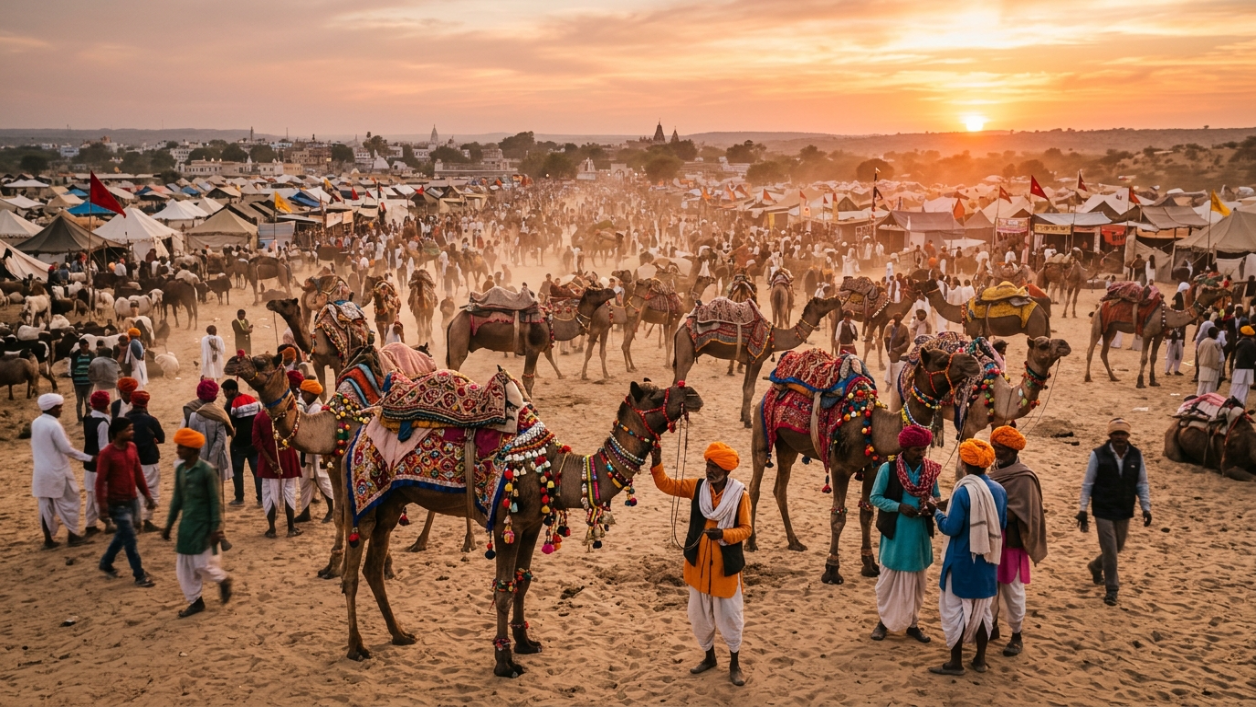
For five days every November, the tiny desert town of Pushkar transforms into a surreal gathering of 50,000+ camels, traders, pilgrims, musicians, and travelers. It’s part livestock fair, part religious pilgrimage, part cultural spectacle.
Camel races, mustache competitions (yes, really), and folk music performances happen alongside serious trading. The fair coincides with the Kartik Purnima full moon, and the ghats along Pushkar Lake fill with devotees performing evening prayers. Staying in a desert camp on the outskirts gives you the full experience without the chaos of the town center.
15. Burning Man, Black Rock Desert, Nevada, USA
I know, I know. Burning Man gets a lot of eye rolls. But strip away the influencer posts and tech bro stereotypes, and what you find is a genuinely wild experiment in temporary community, radical art, and self-expression in the middle of an unforgiving desert.
It happens the week leading up to Labor Day. Tickets cost around $575 plus fees, and you need to bring everything you need to survive, including water, food, and shelter. The art installations are massive, strange, and often deeply moving. It’s not for everyone, but for the right person, it’s life-altering. The alkaline dust will destroy your electronics, so bring ziplock bags for everything.
Frequently Asked Questions
What are the best local festivals worth traveling for worldwide if it’s my first time?
Start with something accessible and well-organized. Holi in Jaipur, Oktoberfest in Munich, or Notting Hill Carnival in London all have solid tourist infrastructure, English-friendly environments, and enough information online to plan confidently. They’re exciting without being overwhelming for a first-time festival traveler, and each gives you a real cultural experience, not a sanitized tourist version.
How far in advance should I book travel for international festivals?
Most major festivals require booking accommodations 3 to 6 months ahead. For events like La Tomatina, Burning Man, or Rio Carnival, you’ll want tickets and lodging locked in 6 to 12 months before. Prices spike the closer you get, and the best-located stays sell out fast. Flight prices also jump, so set fare alerts on Google Flights or Skyscanner early.
Are these festivals safe for solo travelers?
The vast majority are very safe, especially the larger ones with established security and infrastructure. Songkran, Balloon Fiesta, and Dia de los Muertos are particularly welcoming for solo visitors. Standard travel precautions apply everywhere: watch your belongings in crowds, stay aware of your surroundings, and keep digital copies of your documents. Solo travel at festivals often means making friends faster.
What should I pack for a festival trip abroad?
Beyond your usual travel essentials, bring a portable phone charger, a waterproof phone case, comfortable shoes you don’t mind ruining, and a small crossbody bag that zips shut. Sunscreen and earplugs are underrated lifesavers. Check each festival’s specific conditions. Desert festivals need dust protection. Water festivals need dry bags. Cold-weather events need serious layers.
How do I experience local festivals respectfully as a tourist?
Learn the basics of what the festival celebrates before you arrive. Follow local customs, especially at religious events like Dia de los Muertos or Pushkar’s ceremonies. Ask before photographing people, particularly children. Buy from local vendors instead of chains. And participate genuinely rather than treating it like a photo opportunity. Locals can always tell the difference.
Conclusion
Every one of these festivals changed something in the way I see the world, whether it was a stranger handing me colored powder in India or watching 500 balloons rise over the New Mexico desert. Traveling for a festival gives you something a regular vacation simply can’t: a front-row seat to how other people celebrate being alive. So which one are you booking first?